Where Designers Find Ad Creative Inspiration in 2026
Designers who make paid social creative face a particular problem. The feed changes every week, formats rise and fade, and a layout that looked fresh in spring can look tired by autumn. Good references shorten the path from a blank canvas to a concept worth testing.
Where inspiration actually comes from
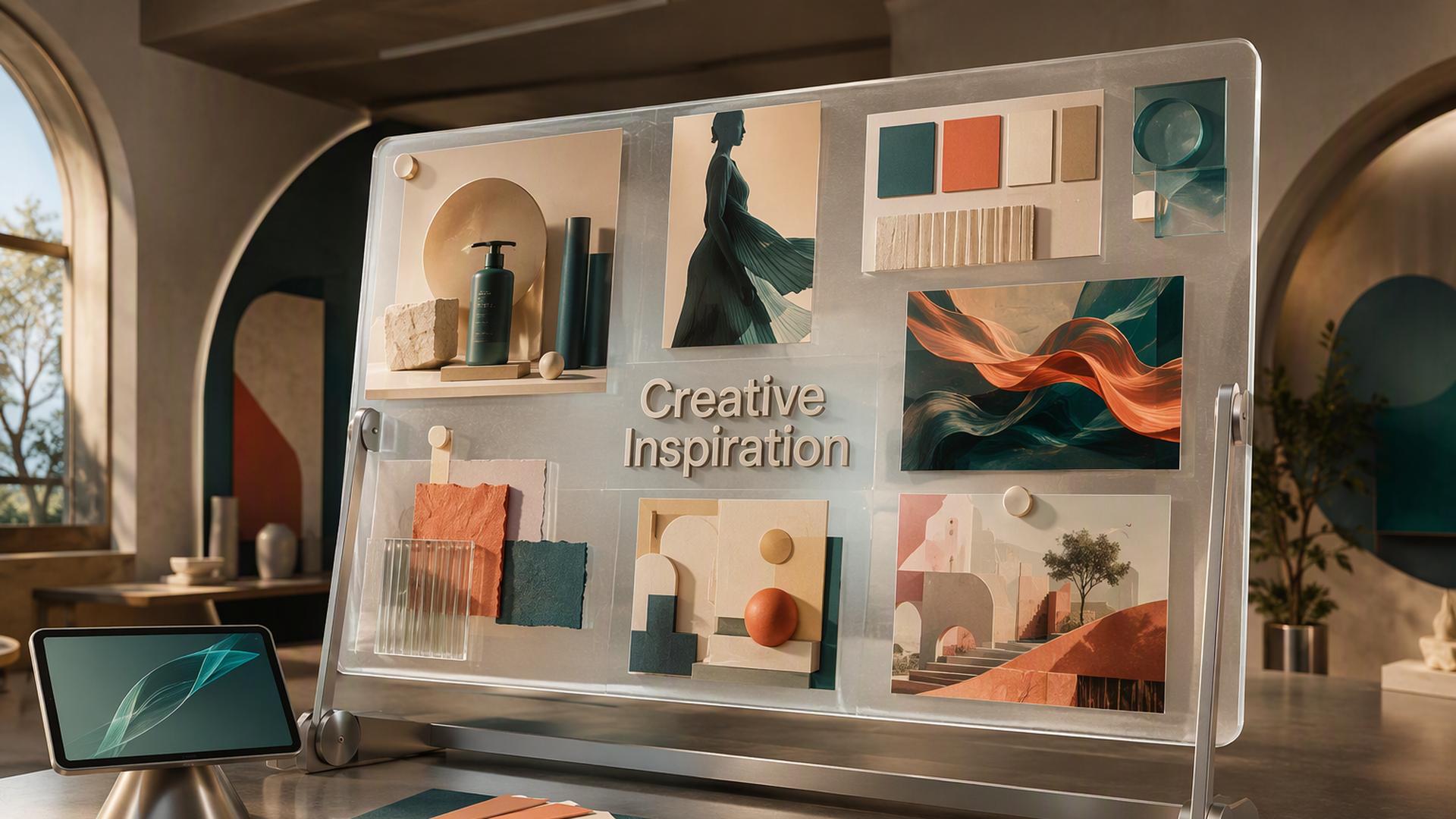
Working designers draw from many places. They keep boards of packaging, editorial layouts, motion pieces and product photography, they browse portfolio sites and design communities, and they screenshot ads that make them stop scrolling. Each source answers a different question, whether about style, typography or how to stage a product.
Live ads answer a question that portfolios cannot, which is what advertisers are actually running right now. A creative that has been in market for months suggests a team kept paying for it, and reading dozens of them shows which hooks, formats and visual patterns a niche has settled on.
Tools such as GetHookd exist to make that kind of research faster. It describes itself as a library of more than 22 million live Meta ads, refreshed daily, that can be filtered by niche, format, runtime and performance signals. Whether a team uses a paid tool or a free library, the habit that matters is the same, which is looking at many examples with a specific question in mind.
What the free official library offers
Every designer should know the primary source. Meta publishes the Ad Library as a searchable database of ads running across its products, and anyone can search it without an account. For ads about social issues, elections or politics it adds details such as spend, reach and funding entities, and for ads delivered in the EU it provides additional information, with those ads archived for one year after their last impression.
For ordinary commercial ads the library mostly shows what is active now. That is useful for seeing a competitor's current creative, and it limits how much history is available to study.
The library is also a search box rather than a research tool. It will show the ads of one brand, but it will not rank a whole niche, sort by how long an ad has run or save a collection that survives when advertisers switch ads off. Designers who work for several clients feel those gaps quickly. Without a saved collection, a reference seen on Monday may be gone by Friday, and screenshots lose the surrounding context such as start date, placements and copy. The library also does not index ads by visual style, so finding every ad that uses a particular layout means scrolling by hand. Those limits explain why many teams combine the free library for spot checks with a tool that keeps an archive.
What a dedicated tool adds
Dedicated platforms layer organization on top of the same public data. GetHookd lets users search across the library by niche, format and runtime, follow a competitor with its Brand Spy feature so that new launches appear in a feed, save ads to boards that a team can share and keep those saved ads even after the original ads go offline.
It also includes an AI feature called Clone Ads that generates static variations from a saved ad, which is available from its Pro plan, and a free Chrome extension for saving ads directly from the Meta library. Plans start at 29 dollars a month billed monthly, with a seven-day trial.
Its own FAQ is candid about limits. The library covers Meta, meaning Facebook and Instagram, and TikTok is not included today. It says it shows what is observable in the public library, such as which ads are live, how long they have run and the ad copy, and that it does not estimate revenue or invent spend figures. Coverage is thinnest in smaller countries and in service or information niches.
Turning references into briefs
A folder of saved ads becomes useful only when it is organized around questions. Sort references by what they teach, such as hook style, color treatment, proportion of text to image, use of people, or how the first second of a video is framed. A short note on why each ad was saved prevents the board from turning into a pile.
Runtime is a helpful signal if used with care. An ad that has been live for ninety days has probably been profitable enough to keep, but it may also be an evergreen ad on a large budget, or one that nobody has switched off. Treat it as a reason to look closely, not as proof of performance.
Write briefs that borrow structure rather than surface. Take the pattern, such as a problem statement followed by a product close-up, and rebuild it with the client's own visual identity and message. Share the pattern with the copywriter early.
Staying original and compliant
Inspiration has a line. Copying another brand's layout, photography or copy too closely invites complaints from the original advertiser and platform review problems, and it makes a client look like a follower. Use references to understand principles, and then create assets from scratch.
Check claims before reusing an angle. Advertisers in health, finance and supplements face strict rules about what ads may promise, and a hook that works for one brand may not be allowed for another. Accessibility deserves a place in the brief too, with readable type sizes, sufficient contrast and captions on video.
Finally, test what the research suggests. A swipe file shows what others chose, and only a campaign shows what works for this audience.
Credit and context matter in client work. When presenting references to a client, label them as examples of a principle and avoid implying that the final design will resemble any single ad. Doing so sets expectations and protects the team if a reference turns out to belong to a regulated category. |


